

Stress influences energy, focus, sleep, digestion, and long-term health in powerful ways. When pressure builds, breathing often becomes shallow and rapid, quietly signaling the body to stay on high alert. Intentional breathing patterns can interrupt that cycle, helping the nervous system slow down and restore balance. Small changes to breath awareness create moments of calm that accumulate over time, supporting emotional regulation, clearer thinking, and a greater sense of control during demanding days ahead.
Why Breathing Plays a Key Role in Stress Relief
Stress triggers the sympathetic nervous system, raising heart rate, blood pressure, and muscle tension. Breathing patterns directly communicate with that system, either reinforcing stress or calming it. Slow, controlled breathing stimulates the vagus nerve , encouraging relaxation responses throughout the body. Oxygen delivery improves, cortisol levels drop, and the mind receives cues that danger has passed.
Managing stress matters because chronic tension affects immunity, digestion, sleep quality, and emotional health. Persistent stress can contribute to burnout, anxiety, and physical illness over time. Breathing techniques offer a practical, accessible tool for daily regulation without equipment or cost. Regular practice builds resilience, making stressful moments feel more manageable and less overwhelming. Consistency gradually strengthens coping capacity during unpredictable situations across work relationship challenges.
Diaphragmatic Breathing for Full-Body Calm
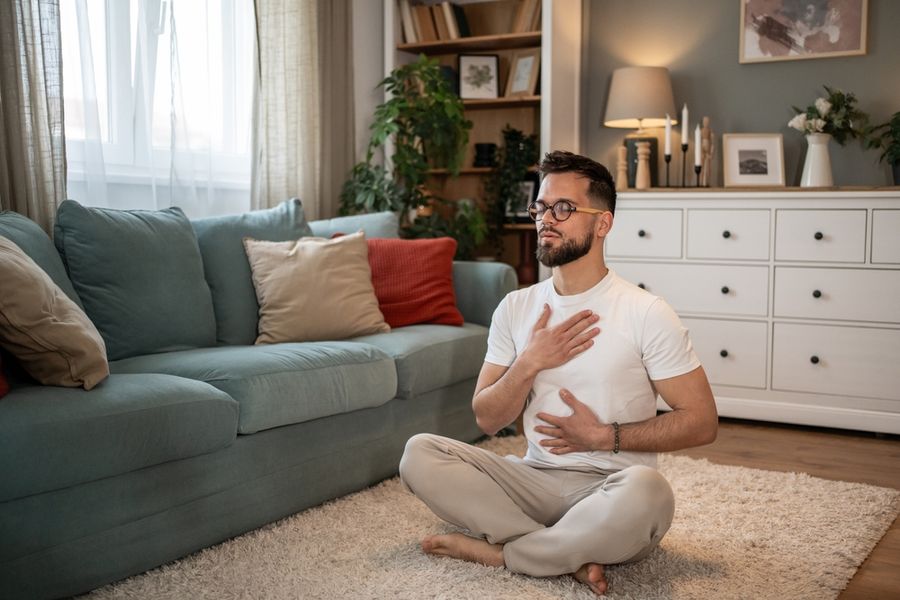
Diaphragmatic breathing, often called belly breathing , encourages full oxygen exchange and reduced tension. Instead of lifting shoulders, the abdomen expands on inhales while the chest remains relatively still. Such movement signals safety to the nervous system. Heart rate slows, muscles relax, and breathing efficiency improves, creating a steady rhythm that counters anxious patterns.
Practice involves sitting or lying comfortably with one hand on the abdomen. Inhale slowly through the nose, allowing the belly to rise. Exhale gently through the mouth, feeling the abdomen fall. Repeating several cycles for a few minutes helps shift the body toward calm, especially during high-pressure moments or before sleep. Daily repetition increases awareness, comfort, and effectiveness during stressful experiences over time for many people everywhere.
Pursed Lips Breathing to Slow Racing Thoughts
Pursed lips breathing slows airflow and helps release trapped tension. Originally used for respiratory conditions, the technique supports stress reduction by extending exhalation length. Longer exhales activate relaxation responses and prevent breath holding. Breathing becomes smoother and more deliberate, easing sensations of panic or tightness during emotionally charged situations.
To practice, inhale gently through the nose for two counts. Purse the lips as if blowing out a candle, then exhale slowly for four counts. The extended exhale encourages calm and control. Repeating for several minutes can quickly settle nerves during stressful conversations or overwhelming environments. Use whenever breathing feels rushed, shallow, or strained by anxiety and tension during workdays, travel, social events, or moments requiring composure under pressure.
Box Breathing for Mental Focus and Balance
Box breathing creates structure during moments of overwhelm by balancing inhalation, holding, exhalation, and pauses. Popular among first responders, the method stabilizes heart rate and focus under pressure. Equal counts create predictability, giving the mind something concrete to follow when thoughts feel scattered or intense.
Inhale through the nose for four counts, hold for four, exhale through the mouth for four, then pause for four. Visualizing a square helps maintain rhythm. Several cycles promote mental clarity and emotional steadiness, making box breathing useful before presentations, difficult conversations, or stressful decisions. Practice consistently to strengthen focus, regulate emotions, and respond thoughtfully rather than react impulsively when tension rises unexpectedly during demanding personal or professional situations across daily life and responsibilities.
Lion’s Breath for Emotional Release
Lion’s breath releases physical and emotional tension through exaggerated exhalation. Originating from yoga practices, the technique combines deep inhalation with a forceful, expressive release. Facial muscles relax, jaw tension softens, and emotional buildup finds an outlet. The playful nature encourages stress relief without suppression.
To practice, inhale deeply through the nose. Exhale strongly through the mouth while sticking out the tongue and opening the eyes wide. A vocal sigh may follow. Repeating a few rounds relieves pent-up stress, especially after long periods of restraint or emotional fatigue. Lion’s breath suits private settings and works well as a quick emotional reset. Use sparingly, allowing expression without judgment, helping release tension constructively. Practice enhances confidence during emotionally charged days and interactions overall.
Alternate Nostril Breathing to Restore Balance
Alternate nostril breathing balances the nervous system by regulating airflow between the nasal passages. Common in meditation practices, the technique promotes calm focus and emotional equilibrium. Alternating sides encourages rhythmic breathing, reducing mental chatter and stress-related agitation.
Practice involves closing one nostril while inhaling through the other, then switching sides for the exhale. The pattern continues in a steady rhythm. Several minutes encourage relaxation and clarity, making alternate nostril breathing useful during transitions, breaks, or moments of mental overload. Consistent practice supports emotional balance, patience, and improved concentration across demanding schedules. Pair with quiet environments, a comfortable posture, and gentle awareness for the best results during daily routines or pauses regularly.
Building Calm Through Conscious Breathing
Breathing techniques offer a powerful reminder that calm remains accessible, even during busy or uncertain moments. By working directly with the nervous system, intentional breathing helps restore balance, clarity, and emotional steadiness. Regular use transforms stress responses over time, replacing reactivity with presence.
Exploring multiple approaches allows individuals to discover supportive patterns that fit daily life. Simple practices require only attention and consistency. When stress becomes manageable, energy improves, sleep deepens, and resilience grows. Breathing remains a reliable foundation for well-being, supporting both immediate relief and long-term emotional health. Over time, mindful breathing strengthens self-awareness and fosters a calmer relationship with challenges supporting healthier reactions at work, home, and personal pursuits through patience, practice, and ongoing compassionate awareness everyday life.