

Long flights can test patience, comfort, and energy, especially when hours stretch across time zones. Cramped seats, dry cabin air, and constant noise often leave travelers drained before arrival. A few smart habits can transform an exhausting journey into a manageable, even pleasant, experience. With thoughtful preparation, simple comfort upgrades, and mindful movement, travelers can arrive feeling refreshed, alert, and ready to enjoy whatever adventure, meeting, or reunion awaits beyond the airport doors.
Stay Hydrated and Snack Smart
Cabin air is notoriously dry, which can lead to headaches, fatigue, and dry skin during extended flights. Drinking water consistently before boarding and throughout the journey helps maintain energy levels and supports circulation. Limiting alcohol and caffeine reduces dehydration and prevents unnecessary discomfort. A reusable water bottle filled after security makes regular sipping easy without relying on infrequent service.
Snacks also play a major role in comfort and mood. Protein bars, nuts, dried fruit, or crackers prevent hunger spikes and reduce dependence on processed airline meals. Balanced snacks stabilize blood sugar and help avoid post-flight sluggishness. Packing familiar foods adds a sense of routine, making long hours feel more manageable and less physically draining overall during extended domestic travel periods.
Create a Calm Sound Environment
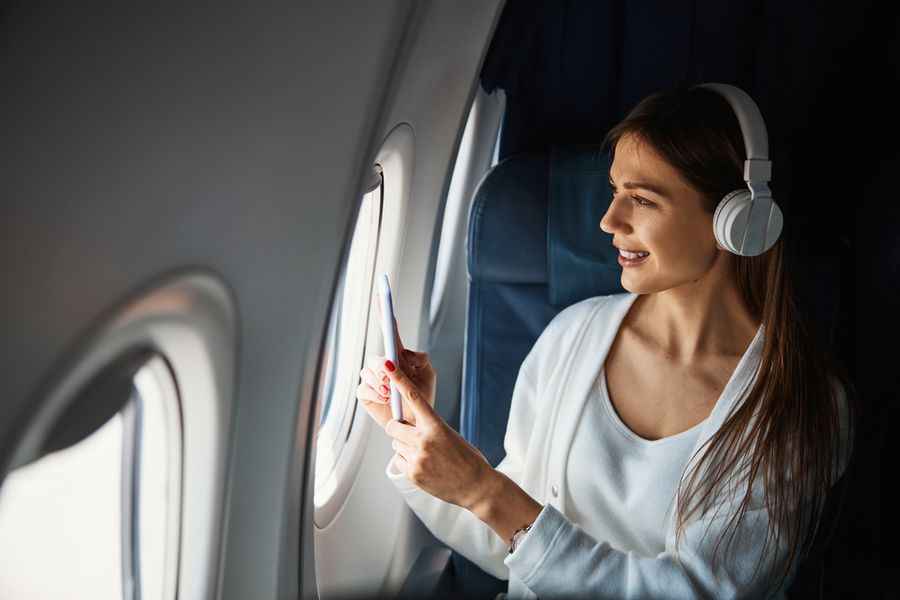
Aircraft cabins are filled with engine hum, conversations, and sudden announcements that disrupt rest. Noise-cancelling headphones create a calmer environment by reducing background sound and mental fatigue. Playing soft music, white noise, or familiar podcasts helps establish relaxation and blocks unpredictable disturbances. Comfortable ear padding also prevents soreness during hours of wear.
Quality audio gear supports entertainment as well. Movies, audiobooks, and playlists feel more immersive without competing noise. Mental stress decreases when sound feels controlled, allowing better focus or sleep. Packing wired options or charging cases avoids battery issues mid-flight. A quiet personal soundscape often makes long-haul travel feel shorter, smoother, and far more tolerable overall for passengers seeking calm and focus during overnight or ultra-long routes.
Keep Your Body Moving
Movement before boarding prepares the body for prolonged sitting. Walking through airport terminals, climbing stairs, or performing light stretches improves circulation and loosens stiff muscles. Even brief activity reduces restlessness once seated. Early arrival allows time for movement without rushing, setting a calmer tone before takeoff.
During flight, gentle aisle walks and seated stretches help prevent stiffness and swelling. Rolling ankles, lifting knees, and stretching shoulders can be done discreetly. Standing periodically supports circulation and reduces discomfort on long routes. Respecting crew guidance and choosing safe moments keeps movement unobtrusive. Regular motion helps travelers arrive feeling mobile rather than tense. Such habits also lower fatigue and improve overall comfort throughout extended international or cross-country journeys aboard modern aircraft cabins daily today.
Dress for Comfort, Not Appearance
Clothing choices strongly influence comfor t during long flights. Soft fabrics, loose fits, and layered pieces adapt easily to changing cabin temperatures. Breathable materials reduce irritation and help regulate body heat. Slip-on shoes simplify security checks and allow feet to swell comfortably during extended sitting.
Layering provides flexibility for rest and movement. A light jacket, scarf, or hoodie doubles as warmth or support for sleep. Compression socks may improve circulation and reduce swelling on longer routes. Avoiding restrictive waistbands or stiff seams prevents pressure points. Prioritizing comfort over style often leads to a more relaxed and enjoyable travel experience overall, especially during overnight flights and multi-leg itineraries worldwide, when comfort directly affects mood, energy, posture, circulation, and recovery upon arrival later.
Set Up Your Seat for Rest
Creating a supportive seat setup improves rest during lengthy flights. Neck pillows, lumbar rolls, or folded scarves help maintain alignment. Adjusting headrests and seat positions reduces strain on the spine. Eye masks block cabin light, encouraging deeper rest during scheduled sleep periods.
Sleep quality improves when routines feel familiar. Listening to calming audio, practicing slow breathing, or following bedtime rituals signals the body to relax. Avoiding screens before rest may reduce eye strain. Even short naps restore energy and patience. Thoughtful seat preparation turns limited space into a more restful environment for long-distance travel while minimizing stiffness, fatigue, irritability, and discomfort across extended overnight or ultra-long flights worldwide taken between continents, oceans, time zones, and demanding schedules frequently each year.
Prepare Your Mind and Plan Ahead
Preparation reduces stress long before boarding begins. Downloading entertainment, organizing documents, and planning seat preferences removes last-minute worries. Choosing seats near aisles allows easier movement, while window seats support uninterrupted rest. A calm mindset begins with knowing essentials are handled.
Mental flexibility also shapes comfort. Accepting limited control over delays or turbulence eases frustration. Simple breathing exercises or mindfulness techniques help manage anxiety. Viewing flight time as personal downtime reframes the experience positively. A prepared, patient mindset often determines whether long hours feel exhausting or surprisingly manageable for travelers facing overnight routes, tight connections, crowded cabins, unfamiliar time zones, and lengthy international itineraries across continents regularly, where attitude strongly influences comfort, mood, resilience, and overall well-being throughout journeys abroad globally.
Arriving Ready Instead of Worn Down
Long flights become far more manageable when comfort, movement, and mindset work together. Small adjustments before and during travel can dramatically improve energy levels and mood upon landing.
Every journey brings different challenges, and many other helpful strategies exist beyond those shared here. Exploring what works best personally turns long-haul travel into a smoother, more enjoyable experience worth repeating.