

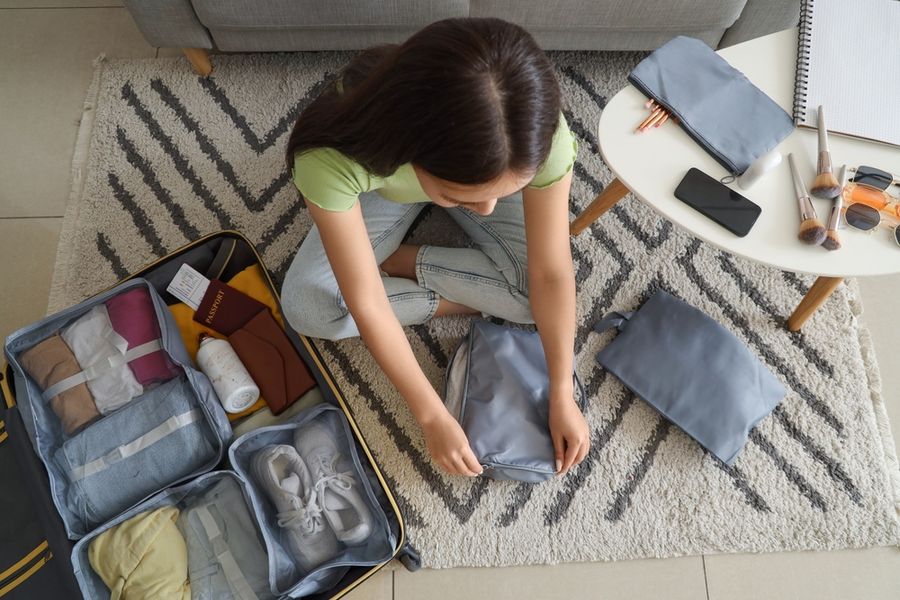
Packing often feels like a balancing act between preparation and restraint. Overpacking leads to heavy bags and frustration, while underpacking causes stress and unnecessary purchases. Efficient packing focuses on intention, organization, and realistic planning rather than last-minute guesses. With a thoughtful approach, travelers can fit everything essential into a manageable bag while avoiding clutter. Smart packing habits save time, reduce anxiety, and make every journey smoother from departure to arrival.
Build a Capsule Wardrobe
A capsule wardrobe simplifies packing by focusing on versatile clothing that mixes and matches easily. Neutral colors, simple silhouettes, and layers create multiple outfits from fewer pieces. Selecting items that transition from day to night reduces the need for extras. Fabrics that resist wrinkles and dry quickly add practicality for extended trips.
Planning outfits in advance prevents unnecessary additions. Choosing clothing based on activities and climate keeps luggage purposeful. Limiting shoes to two or three pairs saves space and weight. Accessories like scarves or belts refresh looks without bulk. A well-planned capsule wardrobe delivers flexibility, style, and comfort while keeping bags lighter and far more manageable during travel.
Use Packing Cubes for Organization
Packing cubes create structure inside luggage, preventing clothing from shifting during transit. Grouping items by category makes unpacking faster and keeps belongings accessible. Separate cubes for tops, bottoms, underwear, and sleepwear eliminate rummaging through bags in tight spaces.
Compression-style cubes reduce volume without damaging fabrics. Rolling clothes before placing them inside maximizes space efficiency. Transparent or labeled cubes simplify locating items quickly. Using consistent cube sizes helps maintain order throughout the trip. Organized packing minimizes wrinkles, protects clothing, and ensures nothing disappears at the bottom of a suitcase, especially during multi-stop or longer journeys.
Wear Bulky Items During Transit
Bulky clothing consumes valuable suitcase space. Wearing heavier items like jackets, boots, or sweaters during transit frees up room for smaller essentials. Layering allows easy adjustment to changing temperatures at airports or onboard.
Choosing comfortable travel outfits balances practicality and ease. Stretchy fabrics and supportive footwear improve comfort during long days of movement. Outerwear with deep pockets can temporarily hold small items like chargers or documents. Wearing bulkier pieces reduces luggage weight and keeps bags streamlined. Such choices also make navigating security checks and boarding areas far more efficient.
Plan Toiletries with Intention
Toiletries often take up more space than expected. Selecting travel-sized containers and multipurpose products reduces bulk. Solid options like shampoo bars or balm cleansers eliminate liquid restrictions and spills. Limiting duplicates prevents unnecessary clutter.
Storing toiletries in a clear, leak-proof bag keeps everything contained. Packing only daily essentials avoids overpreparation. Many accommodations provide basics, allowing travelers to skip bulky bottles. Reviewing routines beforehand ensures important items are included without excess. Thoughtful toiletry planning saves space, prevents messes, and simplifies security checks.
Create a Packing Checklist
A checklist removes guesswork and last-minute panic. Writing items down clarifies priorities and prevents forgetting essentials. Separating lists by clothing, documents, electronics, and personal items keeps planning organized.
Updating the checklist after each trip improves accuracy over time. Noting unused items helps refine future packing. Reviewing the list before departure offers peace of mind and reduces stress. Digital checklists stored on phones allow quick access anywhere. A reliable checklist transforms packing into a repeatable system rather than a rushed chore.
Leave Room for Flexibility
Efficient packing includes planning for the unexpected. Leaving extra space accommodates souvenirs, snacks, or additional layers. Overfilling luggage increases stress and limits adaptability during travel.
Choosing expandable bags or foldable totes adds flexibility without bulk. Packing fewer items encourages creativity with outfits and routines. Accepting that not every scenario requires preparation reduces overpacking tendencies. Flexibility keeps travel lighter and more enjoyable. Balanced packing supports spontaneity while ensuring necessities remain accessible throughout the journey.
Packing with Confidence and Ease
Efficient packing becomes second nature when preparation replaces guesswork. Thoughtful clothing choices, smart organization tools, and realistic planning reduce stress before departure and throughout the journey. Lighter bags make airports easier to navigate, lodging simpler to manage, and travel days far more comfortable. Packing with intention also saves time, allowing focus to remain on experiences rather than missing items or overstuffed luggage.
With practice, personal packing systems evolve and improve over time. Every trip offers insight into what truly matters and what can stay behind next time. Beyond the tips shared here, many other approaches can enhance efficiency even further. Finding a rhythm that fits individual travel styles leads to smoother departures, calmer arrivals, and greater confidence on every adventure ahead.