

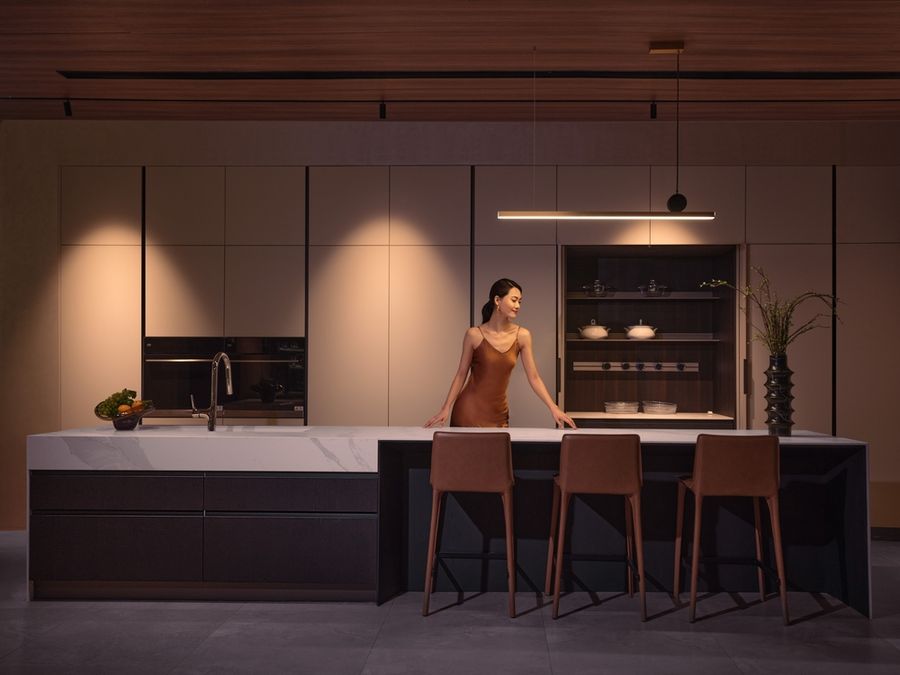
Design trends shift constantly, yet certain home features continue to feel relevant decade after decade. Lasting appeal often comes from thoughtful materials, balanced proportions, and practical details that support daily life. Homes that rely on classic elements tend to age gracefully, adapting easily as personal style evolves. Investing in enduring features creates spaces that feel welcoming, functional, and visually grounded regardless of changing design preferences.
Natural Materials That Age Gracefully
Natural materials bring warmth and authenticity that manufactured alternatives struggle to replicate. Wood, stone, and marble develop character over time, gaining depth rather than showing wear. Their textures and imperfections add visual interest that feels organic rather than forced.
Solid wood floors, stone countertops, and exposed beams suit a wide range of styles, from traditional to modern. Natural materials also offer durability, often lasting longer than trend-driven finishes. Their versatility allows rooms to be refreshed through decor rather than costly renovations, making them a reliable foundation for long-term design.
Neutral Color Palettes With Depth
Neutral colors remain popular because of their flexibility and calming presence. Soft whites, warm beiges, gentle grays, and muted earth tones provide a backdrop that works across design styles and seasons. Rather than feeling plain, layered neutrals add depth and sophistication.
Walls painted in nature-inspired shades allow furnishings and accessories to evolve without clashing. Neutral palettes also enhance natural light, making rooms feel more open and inviting. Subtle variation in tone, texture, or finish keeps neutral spaces visually engaging while preserving timeless appeal.
Timeless Patterns That Never Feel Overdone
Certain patterns have endured for centuries because they strike a balance between visual interest and restraint. Stripes, subtle plaids, and classic checker patterns add structure without overwhelming a space. Their simplicity allows them to complement both traditional and modern interiors with ease.
Used thoughtfully, classic patterns provide rhythm and contrast while remaining flexible. Striped rugs, patterned tiles, or understated wallpaper introduce personality without locking a room into a specific era. Neutral color pairings help patterns remain adaptable as decor evolves. When applied in moderation, enduring patterns contribute depth and character that continue to feel relevant year after year.
Quality Wood Furniture
Well-made wood furniture stands apart from mass-produced alternatives. Solid construction, thoughtful proportions, and visible craftsmanship give pieces lasting value. Dining tables, coffee tables, and sideboards crafted from real wood often become central elements within a home.
Wood furniture adapts easily to changing decor and color schemes. Patina and minor wear enhance character rather than detract from appearance. Investing in fewer, higher-quality pieces creates rooms that feel intentional and enduring, reducing the urge to replace furniture as trends change.
Built-In Architectural Details
Architectural details add character that feels integrated rather than decorative. C rown molding, wainscoting, window trim , and built-in shelving provide visual structure and depth. Such features elevate a space without overpowering it.
Built-ins also improve functionality by maximizing storage and defining rooms. Their presence creates a sense of craftsmanship and permanence often missing from newer builds. When executed with restraint, architectural details complement both classic and contemporary interiors, ensuring long-term relevance.
Abundant Natural Light
Natural light remains one of the most desirable home features. Sunlight enhances mood, highlights textures, and makes spaces feel larger and more welcoming. Homes designed to maximize light often feel comfortable regardless of decor style.
Large windows, glass doors, and thoughtful window placement support brightness throughout the day. Light-filled rooms reduce reliance on artificial lighting and help highlight architectural features. Natural light works harmoniously with any color palette, reinforcing its timeless value in home design.
Simple, Functional Layouts
Functional layouts prioritize ease of movement and practical use. Open sightlines, logical room connections, and uncluttered floor plans support daily routines without unnecessary complexity. Spaces designed for comfort rather than novelty tend to remain appealing longer.
Flexible layouts allow rooms to adapt as needs change. Furniture arrangements can shift without structural changes, supporting evolving lifestyles. Homes with intuitive flow feel welcoming and livable, qualities that transcend design trends and maintain lasting appeal.
Design Choices That Stand the Test of Time
Timeless design relies on balance, quality, and thoughtful restraint. Features rooted in function and craftsmanship continue to feel relevant as styles evolve. Choosing enduring materials and layouts reduces the need for constant updates while allowing personal expression through smaller details.
Homes built on classic principles feel grounded and inviting across generations. A focus on longevity creates spaces that remain beautiful, practical, and adaptable. Investing in timeless features supports lasting comfort and confidence, making a home feel complete no matter how trends change.