

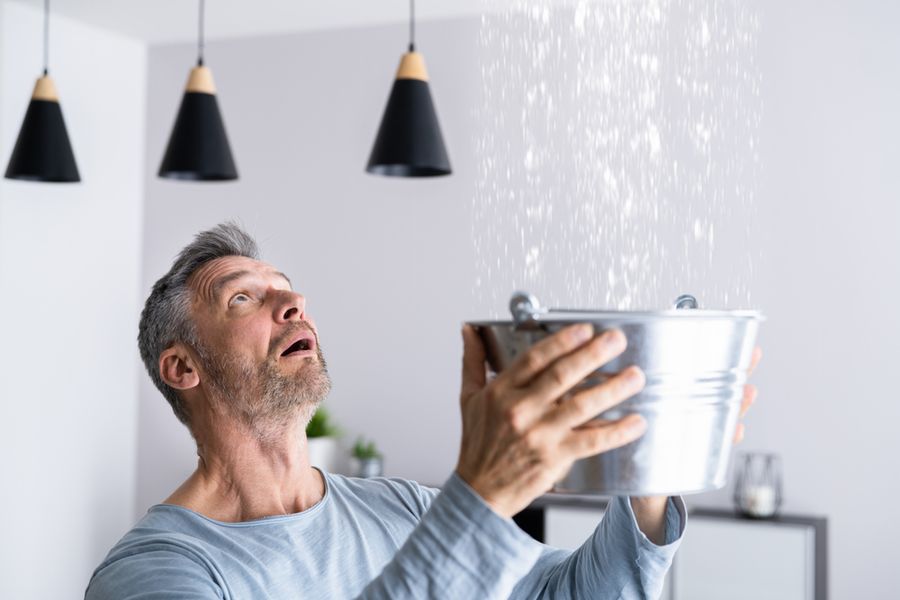
Small home issues often develop quietly, hidden behind walls, under floors, or above ceilings. Minor warning signs frequently go unnoticed during daily routines, allowing problems to grow steadily over time. What begins as subtle wear can turn into costly repairs when left unaddressed. Recognizing early indicators helps protect property value, prevent disruption, and preserve long-term safety. Awareness plays a critical role in maintaining a home that remains stable, efficient, and far less expensive to care for.
Structural and Foundation Shifts
Foundation and structural problems rarely appear overnight. Hairline cracks, uneven floors , or doors that suddenly stick often signal deeper movement beneath the surface. Soil expansion, water drainage issues, and settling can gradually compromise structural integrity without dramatic symptoms.
Ignoring early signs allows small shifts to worsen, potentially leading to extensive repairs. Cracks around windows, separating trim, or sloping floors deserve professional evaluation. Early intervention helps stabilize the structure before damage spreads. Maintaining proper drainage around the foundation also reduces long-term risk and protects the overall stability of the home.
Roofing Wear and Deterioration
Roofing systems endure constant exposure to weather, making gradual deterioration easy to overlook. Missing shingles, curling edges, or granule buildup in gutters often indicate aging materials. Small leaks may remain hidden for months while water damages insulation and framing.
Routine roof inspections help catch wear before leaks become severe. Attic moisture, dark ceiling spots, or unexplained drafts frequently trace back to roofing issues. Addressing problems early prevents interior damage and extends roof's lifespan. Timely maintenance costs far less than major repairs caused by prolonged exposure to moisture.
Electrical System Problems
Electrical issues often remain hidden behind walls until failure occurs. Outdated wiring, overloaded circuits, or loose connections increase fire risk while affecting daily functionality. Flickering lights, frequent breaker trips, or warm outlets signal potential trouble.
Older homes may rely on wiring systems no longer suited for modern energy demands. Professional inspections identify hazards before emergencies arise. Updating panels, replacing aging wiring, and correcting improper installations improve safety and efficiency. Electrical upkeep protects occupants while preventing sudden failures that lead to costly repairs or safety hazards.
Hidden Moisture and Mold Growth
Moisture intrusion often begins quietly, spreading behind walls, under flooring, or around plumbing. Slow leaks create ideal conditions for mold growth long before visible damage appears. Musty odors, peeling paint, or warped materials suggest underlying moisture issues.
Unchecked moisture damages structural materials and affects indoor air quality. Mold remediation becomes more complex as growth spreads. Regular inspections around bathrooms, basements, and kitchens help identify leaks early. Prompt repairs protect both structural integrity and occupant health while minimizing restoration costs.
HVAC System Decline
Heating and cooling systems degrade gradually, often masking performance issues until complete failure occurs. Reduced airflow, uneven temperatures, or rising energy bills often indicate declining efficiency. Lack of maintenance accelerates wear on critical components.
Annual servicing identifies failing parts before breakdowns happen during extreme weather. Dirty filters and neglected ductwork strain systems and reduce comfort. Timely maintenance extends equipment lifespan and stabilizes energy costs. Proactive care prevents sudden system failure that often results in emergency replacement expenses.
Aging Plumbing and Slow Leaks
Plumbing systems often deteriorate gradually, making problems easy to miss until significant damage occurs. Corrosion inside pipes, worn seals, and aging materials reduce water efficiency and increase leak risk. Slow leaks behind walls or under sinks frequently go unnoticed, quietly damaging cabinets, flooring, and structural components.
Warning signs include unexplained increases in water bills, low water pressure, discoloration, or damp odors near fixtures. Regular inspection of visible pipes and prompt attention to minor leaks helps prevent major repairs. Replacing outdated plumbing materials improves reliability and reduces the likelihood of sudden failures that result in costly water damage.
Pest Infestations Behind the Scenes
Pests frequently establish themselves long before detection. Termites, rodents, and insects hide within walls, crawl spaces, and attics, quietly causing damage. Early signs include droppings, scratching sounds, or unexplained structural changes.
Left untreated, infestations weaken framing, insulation, and wiring. Routine inspections reduce long-term damage and prevent rapid population growth. Sealing entry points and addressing moisture issues further discourages pests. Early intervention minimizes repair costs while protecting structural components from extensive destruction.
Protecting Your Home Before Problems Escalate
Hidden home issues often progress slowly, making vigilance essential. Small warning signs deserve attention before turning into disruptive and expensive repairs. Regular inspections and preventive maintenance reduce long-term costs and preserve property value.
Addressing concerns early supports safety, comfort, and peace of mind. Homes maintained with awareness remain more resilient over time. Recognizing subtle changes and acting promptly transforms homeownership into a proactive investment rather than a reactive burden.