

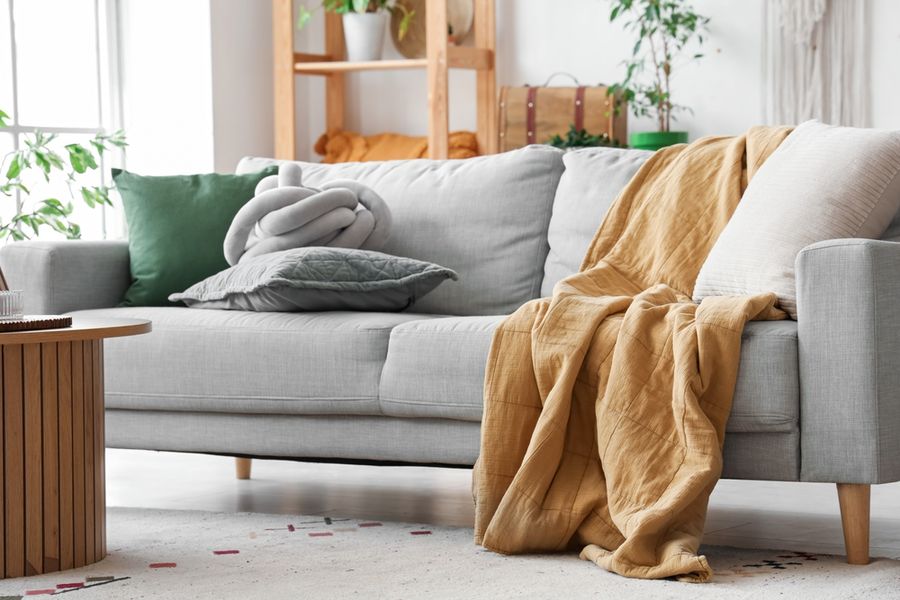
A warm and inviting home creates an immediate sense of comfort that goes beyond decor trends. Spaces that feel welcoming often rely on balance, texture, and thoughtful details rather than dramatic statements. Subtle design choices influence mood, encourage relaxation, and make everyday living more enjoyable. When comfort and style work together, a home naturally feels like a place people want to gather, unwind, and stay awhile.
Natural Elements That Ground a Space
Natural elements bring warmth and authenticity into a home. Materials such as wood , stone, rattan, and clay introduce organic texture that softens interiors and creates visual balance. Even small touches, like a wooden tray or ceramic vase, add depth and character.
Houseplants also play a key role in creating an inviting atmosphere. Greenery adds life, improves visual flow, and connects indoor spaces with the outdoors. Natural elements tend to age well and adapt easily to different styles. Their presence makes rooms feel calmer, more grounded, and effortlessly welcoming.
Soft, Layered Lighting
Lighting shapes how a space feels as much as how it looks. Overhead lighting alone often creates harsh or uninviting environments. Layered lighting introduces warmth by combining ambient, task, and accent sources throughout a room.
Table lamps, floor lamps, and wall sconces provide gentle illumination that softens shadows. Warm-toned bulbs create a cozy glow, especially during evenings. Dimmers allow flexibility for different moods and times of day. Thoughtful lighting layers encourage relaxation and make spaces feel more intimate and comfortable.
Comfortable and Textured Textiles
Textiles add softness and warmth that hard surfaces lack. Rugs, throw blankets, pillows, and upholstered furniture create layers that invite touch and comfort. Texture plays a larger role than pattern, offering visual interest without overwhelming a room.
Natural fabrics such as cotton, linen, and wool contribute to a relaxed, lived-in feel. Layering different textures keeps spaces visually engaging while maintaining simplicity. Textiles also help absorb sound, reducing echo and making rooms feel quieter and more peaceful.
Simple, Cohesive Color Palettes
Color influences emotion and perception more than any other design element. Simple color palettes promote calm and cohesion, allowing rooms to feel harmonious rather than chaotic. Neutral tones paired with warm accents create balance and flexibility.
Earthy hues, soft whites, warm grays, and muted pastels provide a soothing foundation. Consistent color use throughout shared spaces improves flow and continuity. Accent colors can appear through decor or artwork without overpowering the room. A restrained palette helps a home feel welcoming and timeless.
Thoughtful Furniture Arrangement
Furniture placement also affects how people move through and experience a space. Rooms that feel inviting offer clear pathways and comfortable conversation areas. Crowded layouts or awkward spacing disrupt flow and reduce comfort.
Arranging furniture to face one another encourages connection. Pulling seating away from walls often creates a more intimate feel. Leaving open space around key pieces allows rooms to breathe. Thoughtful arrangement supports both function and warmth, making spaces feel intentional and easy to enjoy.
Personal Touches That Tell a Story
Personal details add soul to a home. Photographs, artwork, books, and meaningful objects create a sense of identity that generic decor cannot replicate. Such elements make spaces feel lived-in and welcoming rather than staged.
Displaying items collected over time adds authenticity and depth. Grouping personal objects thoughtfully prevents clutter while preserving character. Personal touches invite conversation and emotional connection. A home filled with meaningful details naturally feels warmer and more inviting.
Warmth Through Subtle Scent and Sound
Atmosphere extends beyond visuals. Gentle scents and soft sounds can also influence how welcoming a space feels. Candles, essential oils, or lightly scented diffusers introduce warmth without overpowering the senses.
Soft background music or natural sounds reduce silence and create comfort. Textiles and window treatments also help dampen noise, making rooms feel quieter. Attention to sensory details enhances relaxation and reinforces a sense of calm throughout the home.
Creating Comfort That Feels Effortless
Inviting homes balance simplicity with intention. Warmth comes from thoughtful layering rather than excess decoration. Natural materials, soft lighting, and cohesive colors work together to support comfort and ease.
Design choices rooted in function and feeling remain effective over time. Small adjustments often make the biggest difference. When spaces support relaxation and connection, a home naturally feels welcoming from the moment someone walks inside.