

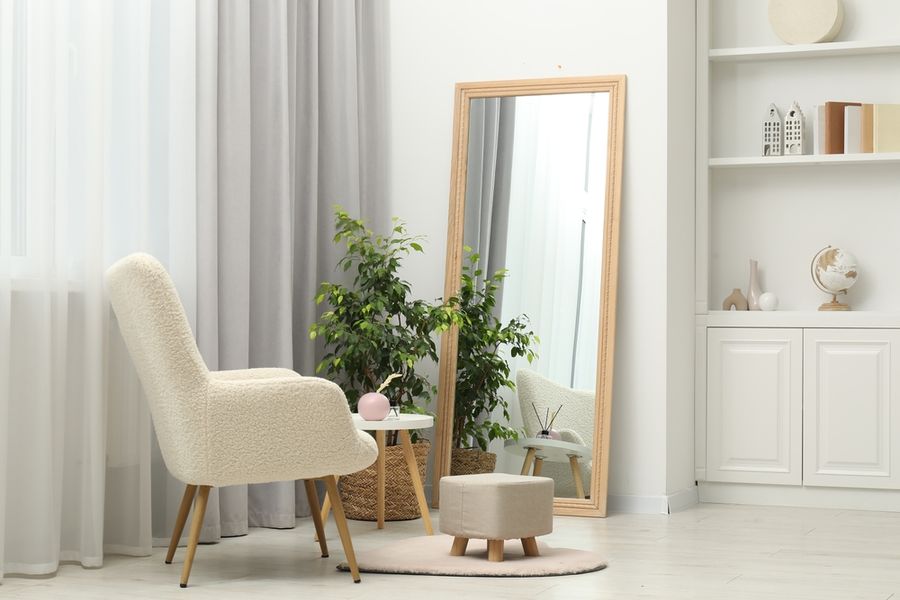
Small spaces often feel limiting, yet perception plays a powerful role in how rooms are experienced. Layout, light, color, and proportion all influence whether a space feels open or confined. Fortunately, thoughtful design choices can create visual breathing room without altering square footage. Even modest adjustments can transform how a room functions and feels, allowing living areas to appear brighter, more balanced, and far more comfortable for everyday use.
Choose Wall Colors That Open Up the Room
Wall color sets the foundation for how large or small a space appears. Light, neutral shades reflect more light, creating an airy and expansive feel. Soft whites, warm creams, pale grays, and muted pastels help walls visually recede rather than close in a room.
Consistent wall color throughout connected spaces improves flow and reduces visual breaks. Accent walls often shrink rooms by creating contrast that stops the eye. Using the same color on walls and trim can also blur boundaries, making ceilings feel higher and rooms feel wider without changing layout.
Avoid Crowding Walls and Floors
Overcrowding quickly makes rooms feel smaller than necessary. Furniture pressed tightly against every wall eliminates negative space, causing visual congestion. Empty space allows the eye to rest and creates a sense of openness.
Leaving breathing room between furniture pieces improves circulation and balance. Open floor areas make rooms feel less cramped, even when square footage remains unchanged. Wall decor benefits from restraint as well. Thoughtful spacing between artwork or shelving keeps walls from feeling cluttered and visually heavy.
Use Furniture With the Right Scale
Furniture size plays a critical role in spatial perception. Oversized pieces overwhelm smaller rooms , while undersized furniture can make spaces feel awkward and unfinished. Balanced proportions support both comfort and visual harmony.
Selecting furniture with exposed legs allows light to pass underneath, creating a sense of openness. Low-profile seating keeps sightlines clear and ceilings feeling higher. Choosing fewer, well-scaled pieces instead of multiple bulky items prevents visual overload and helps rooms feel intentionally designed rather than crowded.
Incorporate Mirrors and Reflective Surfaces
Mirrors expand visual space by reflecting light and extending sightlines. Strategically placed mirrors bounce natural and artificial light throughout a room, making spaces appear brighter and more open.
Large mirrors positioned opposite windows maximize daylight and create depth. Reflective surfaces such as glass tables, metallic accents, or glossy finishes also contribute to an airy effect. Used thoughtfully, reflective elements add dimension without clutter, enhancing openness while maintaining style.
Optimize Natural Light Wherever Possible
Natural light dramatically influences how spacious a room feels. Dark or heavy window treatments block light and create visual weight. Allowing sunlight to flow freely brightens spaces and improves overall mood.
Sheer curtains or light-filtering shades preserve privacy while maximizing brightness. Keeping windows unobstructed by furniture or decor supports clear sightlines. Clean windows and reflective surfaces further amplify available light. Bright, well-lit rooms naturally feel larger and more inviting.
Use Multifunctional Furniture
Multifunctional furniture reduces visual clutter by serving more than one purpose. Storage ottomans, sofa beds, extendable tables, and wall-mounted desks limit the need for additional pieces.
Furniture that adapts to changing needs keeps rooms flexible and efficient. Built-in storage or furniture with hidden compartments minimizes exposed clutter. Spaces with fewer visible items feel more open and organized. Thoughtful multifunctional choices support both form and function without sacrificing comfort.
Keep Decor Simple and Intentional
Decor choices significantly impact spatial perception. Too many accessories create visual noise that shrinks rooms. Intentional styling focuses on quality over quantity, allowing standout pieces to shine.
Limiting decor to meaningful or functional items prevents overcrowding. Grouping accessories rather than scattering them creates cohesion. Vertical decor, such as tall plants or artwork hung slightly higher, draws the eye upward and adds perceived height. Simplicity enhances openness and calm.
Creating Space Without Expanding Square Footage
A larger feel doesn't require additional square footage. Strategic design choices reshape how rooms are experienced by improving flow, balance, and visual clarity. Light-filled spaces with thoughtful furniture placement naturally feel more open and comfortable. When clutter is reduced and proportions feel right, rooms become easier to navigate and more enjoyable to spend time in.
Consistent attention to scale, color, and function creates lasting impact. Small refinements applied throughout a space often deliver the biggest results. Homes designed with intention support daily living without feeling crowded. When design prioritizes openness and ease, even the smallest spaces can feel calm, functional, and surprisingly expansive.