

The respiratory system is a vital network responsible for the essential exchange of gases, ensuring oxygen reaches the bloodstream while expelling carbon dioxide. Understanding its mechanics, from inhalation to exhalation, and recognizing common respiratory conditions can empower individuals to maintain lung health. Knowing the intricacies of the respiratory system can help you integrate proactive steps for a healthier life.
Understanding the Respiratory System
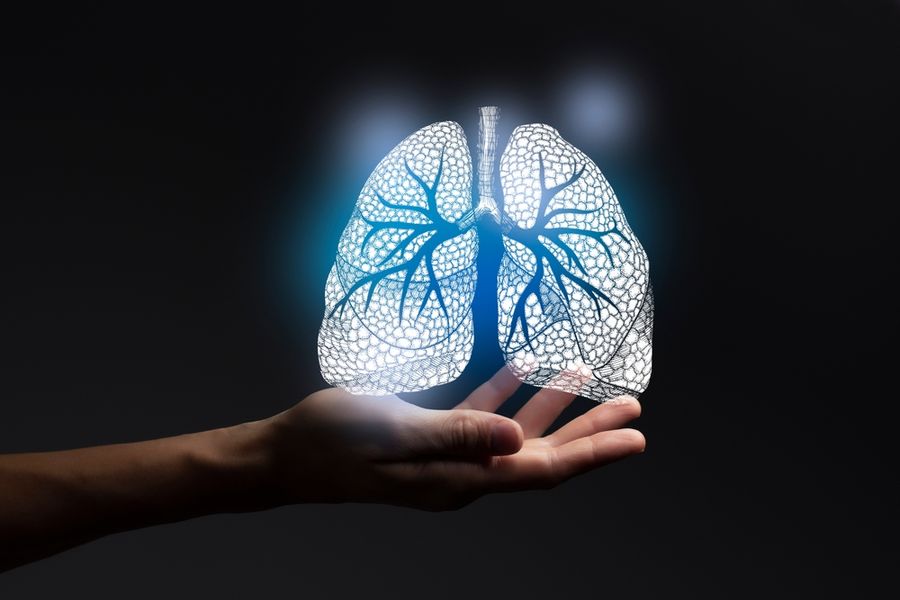
The respiratory system is a complex network responsible for the vital process of gas exchange, which involves moving oxygen into the bloodstream and removing carbon dioxide from the body. This process is essential for cellular function and overall health ( source ).
The system includes various components such as the sinuses, nose, mouth, throat, windpipe, bronchial tubes, and lungs, each playing a specific role in regulating air temperature, humidity, and filtering harmful substances to protect the body ( source ).
The Mechanics of Breathing
Breathing involves two main phases: inhalation and exhalation. During inhalation, the diaphragm contracts and moves downward, increasing the chest cavity space and allowing the lungs to expand. This process draws air through the nose or mouth, down the trachea, and into the lungs, eventually reaching the alveoli where gas exchange occurs ( source ).
Exhalation is typically a passive process where the diaphragm and rib muscles relax, reducing chest cavity space and allowing the lungs to deflate. However, during physical activity or in the presence of lung disease, exhalation may require additional effort from the abdominal muscles ( source ).
Common Respiratory Conditions
Various conditions can affect the respiratory system, including acute respiratory distress syndrome, asthma, bronchitis, COPD, and pneumonia. These conditions can be exacerbated by exposure to cigarette smoke, air pollutants, or other harmful substances ( source ).
Asthma, for instance, is a chronic condition that affects the airways, causing symptoms like wheezing, coughing, and shortness of breath. Management includes avoiding triggers and using medications such as inhalers ( source ).
Maintaining Lung Health
Maintaining lung health is crucial, especially as lung capacity declines with age. A balanced diet, regular exercise, and stress reduction are recommended to support respiratory health and ease breathing ( source ).
Lifestyle choices such as not smoking, exercising regularly, eating a balanced diet, and reducing stress are essential for lung health. Preventive measures also include vaccinations and avoiding exposure to infections ( source ).
Environmental Factors and Respiratory Health
Environmental conditions play a significant role in respiratory health and are an important reason to understand how the respiratory system works. Air quality, allergens, occupational exposures, and seasonal changes can all affect lung function and symptom severity.
Knowledge of these factors helps individuals make informed choices, such as improving indoor air quality, using protective equipment when necessary, and limiting exposure during periods of high pollution or pollen levels. Awareness of environmental triggers supports better prevention and long-term respiratory well-being.
Early Awareness and Preventive Care
Learning about the respiratory system also encourages earlier recognition of potential problems and timely preventive care. Subtle changes in breathing patterns, endurance, or recurring respiratory symptoms are often overlooked until they become more serious.
Understanding what is normal versus concerning can prompt earlier medical evaluation, routine screenings, and adherence to preventive measures such as vaccinations and regular health checkups. This proactive approach can reduce complications, slow disease progression, and support better long-term respiratory outcomes.
Why You Should Learn More About Respiratory Health Information
Understanding respiratory health is vital for maintaining overall well-being. The respiratory system plays a crucial role in providing oxygen to the body and removing carbon dioxide, processes that are essential for life.
By learning more about how the respiratory system functions and the common conditions that can affect it, individuals can take proactive steps to protect their lung health. This includes adopting healthy lifestyle habits, recognizing symptoms of respiratory conditions early, and seeking appropriate medical care when necessary.
Staying informed about respiratory health can lead to better management of existing conditions and prevention of potential issues, ultimately contributing to a healthier life.